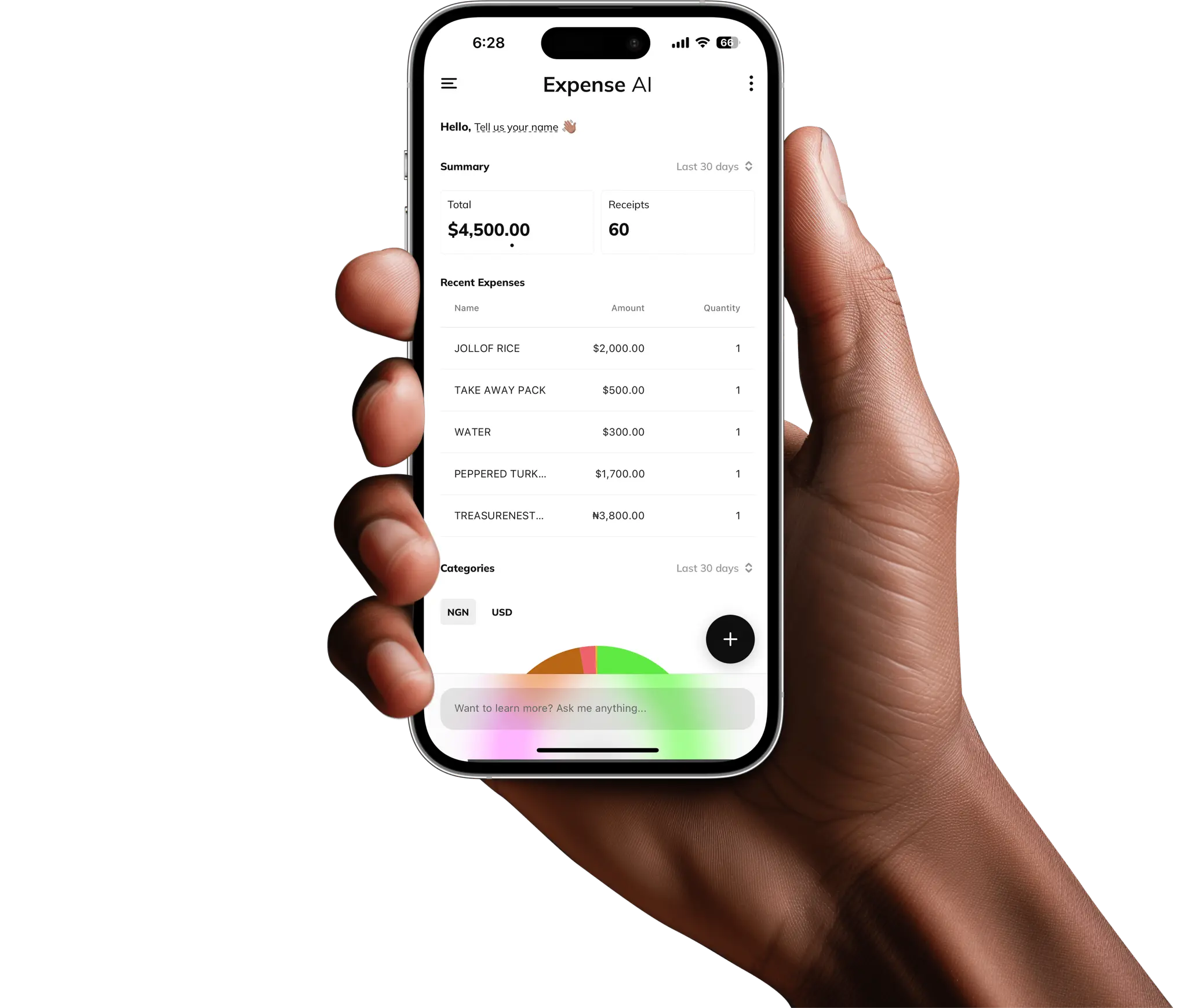
AI-powered expense trackers have become essential in 2026, automating categorization and providing actionable insights to transform chaotic spending into disciplined habits. These tools analyze patterns, predict future expenses, and coach users toward financial wellness without manual effort.
Why AI Excels at Expense Tracking
Traditional spreadsheets fail at real-time insights, but AI apps connect to bank accounts, categorize transactions instantly, and flag wasteful spending. They build habits by gamifying savings, sending nudges for impulse buys, and simulating “what-if” scenarios for better decisions.
Users report 20-30% reductions in unnecessary expenses within months, as AI uncovers hidden leaks like forgotten subscriptions or dining overspend.
1. Copilot Money
Copilot uses AI to scan transactions across accounts, predicting monthly burn rates with 95% accuracy. It builds habits via daily “money stories” emails summarizing spending trends and suggesting cuts.
Subscription: $7.99/month. Ideal for Apple users with Siri integration for voice queries.
Copilot’s clean dashboard visualizes cash flow, helping freelancers spot irregular income patterns.
2. Monarch Money
Monarch’s AI forecasts bills and auto-categorizes with custom rules, turning data into habit-forming goals like “no-spend weeks.” It tracks net worth over time, motivating consistent saving.
Connects to 14,000+ institutions. Pro: $14.99/month; excels in partner sharing for couples.
3. Rocket Money
This tool hunts subscriptions, negotiates bills via AI chat, and builds habits with premium blockers that pause impulse buys. Its “Smart Savings” rounds up purchases automatically.
Free basic; Premium $4-12/month. Users save $720/year on average through cancellations.
4. YNAB (You Need A Budget)
YNAB’s AI suggests job assignments for every dollar, training proactive habits over reactive tracking. Rule-based AI prevents overspending by alerting on category limits.
$14.99/month or $99/year. Proven to increase savings by $600 in the first two months.
5. PocketGuard
PocketGuard’s “In My Pocket” AI calculates safe-to-spend amounts after bills, building discipline around true disposable income. It flags upcoming expenses from patterns.
Free with $7.99 Pro. Great for bill negotiation bots.
| Tool | Auto-Categorization | Habit Features | Price (Monthly) | Bank Links |
|---|---|---|---|---|
| Copilot | 95% accuracy | Money stories, predictions | $7.99 | 10,000+ |
| Monarch | Custom rules | Net worth tracking | $14.99 | 14,000+ |
| Rocket | Subscription hunter | Premium blocker | $4-12 | 10,000+ |
| YNAB | Job assignments | Zero-based budgeting | $14.99 | Manual/Import |
| PocketGuard | Safe-to-spend calc | Bill forecasts | $7.99 Pro | 18,000+ |
6. HelloFrank.ai
A finance co-pilot that spots waste in real-time and coaches decisions, like “Skip this coffee to hit savings goal.” Integrates with budgets for habit nudges.
Free tier; paid unlocks deep analysis. Perfect for beginners building awareness.
7. Plum (AI Savings)
Plum’s AI analyzes spending to auto-save “spare change” intelligently, building habits through rainy-day funds and investment starters. Predicts salary day shortfalls [web: previous conversation].
~$5/month. Strong in volatile economies [previous conversation].
Bonus Free Tools
ChatGPT or Claude can parse bank PDFs into CSVs for import, categorizing via prompts—free habit builder for DIY users. Notion AI templates track expenses with auto-charts.
Building Habits with AI Insights
Start by linking all accounts for a 360-view; AI reveals patterns like weekend splurges. Set micro-goals: “Save $5 daily” via nudges, scaling to debt payoff.
Track progress weekly—AI dashboards show streaks, boosting dopamine for consistency. Combine with Apple Intelligence for on-device analysis.
Integration for Maximum Impact
Pair trackers with robo-advisors like those in prior articles for holistic finance. Export CSVs to Google Sheets AI for custom reports.
In Latin America, tools handle multi-currency and inflation adjustments seamlessly [previous conversation].
Privacy and Getting Started
Choose apps with bank-level encryption; review permissions. Test free trials: Pick 2-3 tools, track for 30 days, then commit.
Common pitfall: Ignoring AI suggestions—treat them as coaches, not autocrats.
Real User Transformations
Freelancers cut dining by 40% via Copilot alerts; families built $10K emergency funds with Monarch goals. Habits stick when AI personalizes.