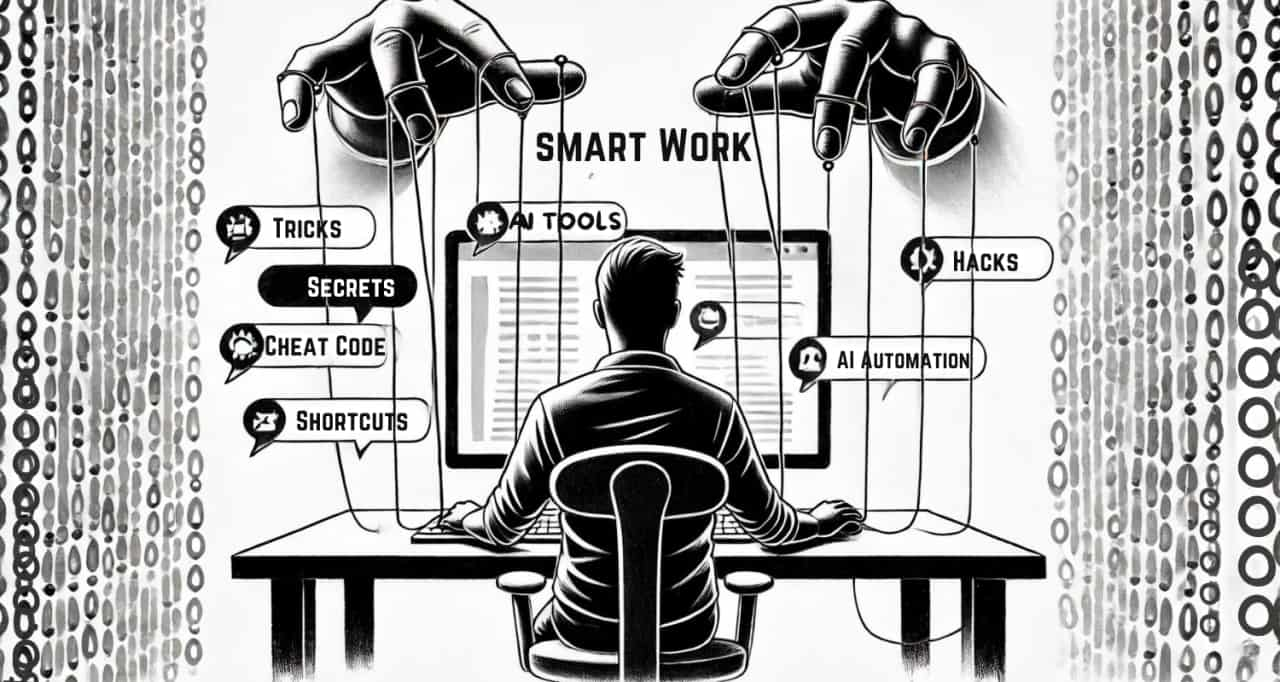
Automation has quietly evolved from a corporate productivity tool into something deeply personal. In 2026, many of the tasks that once demanded hours of human effort—from scheduling meetings to grocery shopping—are now handled seamlessly by artificial intelligence systems. AI can anticipate your needs, make decisions on your behalf, and optimize nearly every aspect of your daily routine.
This article explores how to automate your life using AI: what tools and technologies make it possible, which areas you can automate today, and how to balance convenience with conscious control.
Understanding AI Automation
Automation refers to the process of delegating repetitive or rule-based tasks to machines. When combined with artificial intelligence, automation becomes adaptive and self-improving. Instead of simply following commands, AI automation learns from patterns, behaviors, and context—constantly enhancing its efficiency.
Traditional automation required humans to define every rule. AI, however, uses algorithms, data analysis, and pattern recognition to make independent decisions. Over time, your AI systems get smarter, anticipating what you want before you even articulate it.
For example, your AI email assistant learns which messages matter most, automatically sorting your inbox. Similarly, your AI home hub might adjust lighting or temperature based on your habits—turning automation into an intuitive, near-invisible force in your life.
The Benefits of Automating Your Life with AI
Embracing AI automation isn’t just about saving time—it’s about creating a higher-quality life. Here are the core benefits:
- Time freedom: Routine tasks like scheduling, bill payments, and data entry are handled without manual input.
- Decision simplicity: AI tools filter noise, present optimal choices, and reduce cognitive overload.
- Personalized routines: Systems learn your preferences—meal times, sleep cycles, even creative peaks—and adapt schedules to fit your natural rhythm.
- Cost efficiency: Automation eliminates inefficiencies in energy use, shopping, and transportation.
- Stress reduction: Knowing everything runs smoothly allows mental focus on creativity, relationships, and well-being.
In short, AI doesn’t just make you more productive—it gives you back the bandwidth to focus on what matters most.
Key Areas Where AI Can Automate Your Life
Let’s explore practical domains where AI-driven automation already provides transformative impact.
1. Time and Task Management
AI assistants like Google Assistant, Microsoft Copilot, Reclaim.ai, and Motion have mastered calendar and task automation. They automatically schedule tasks based on priority, duration, and your energy patterns throughout the day.
For example, Motion uses machine learning to rearrange your agenda in real time if a meeting gets canceled or an urgent task arises. You simply define your goals, and the system plans your day efficiently—down to the minute.
Tip: Combine your AI assistant with time-tracking apps like Clockwise or RescueTime. These integrations reveal where your time goes and allow the AI to optimize future schedules proactively.
2. Communication and Email Automation
AI tools now handle the communication overload that drains modern professionals. Systems like Superhuman, Gmail Smart Reply, and Hey by Basecamp use natural language processing to summarize emails, flag high-priority threads, and even draft contextual responses.
Some advanced users link conversational AIs like ChatGPT or Claude to their email workflow. These assistants can compose polite replies, summarize long conversations, or extract tasks automatically. This can save hours each week, especially for business owners or freelancers managing client relationships.
3. Personal Finance Management
Fintech AI systems such as Cleo, Monarch Money, and Plum act as financial assistants that analyze spending, plan budgets, and automate savings. They can transfer small amounts into savings accounts, pay recurring bills, and offer personalized investment insights based on your goals and cash flow.
For example, Cleo uses conversational interaction—you can ask, “Can I afford dinner out tonight?”—and it will analyze your budget before responding. Over time, these systems help you maintain financial discipline without constant oversight.
4. Smart Home and Environment Control
Your home can now think for itself. Devices like Amazon Echo, Google Nest, and Apple HomeKit coordinate lighting, temperature, security, and entertainment through AI-powered ecosystems. Your thermostat learns your temperature preferences, while smart plugs reduce energy use by shutting off idle electronics.
You can create automated “scenes” such as Morning Routine: lights on, coffee maker brewing, and the latest news playing—all triggered at your wake-up time. Or Leaving Home: doors lock, cameras activate, and power consumption drops automatically.
The integration of Internet of Things (IoT) sensors and AI transforms homes into self-regulating spaces that adapt continuously to their inhabitants.
5. Health and Wellness Optimization
AI-based wellness tools help manage diet, sleep, and exercise routines without constant manual tracking. Wearables like Oura, Whoop, or Fitbit collect biometric data and use AI to deliver adaptive recommendations.
For instance, if your body temperature or resting heart rate indicates fatigue, your AI assistant might reschedule a workout and adjust your bedtime reminder. Similarly, nutrition AI like MyFitnessPal Premium or Lumen learns your metabolism over time, guiding optimal meal timing and balance.
Some mental wellness apps use conversational AI for stress check-ins, breathing exercises, or journaling—creating proactive well-being systems that evolve with you.
6. Content and Workflow Automation
For entrepreneurs, writers, and marketers, AI has become an operational backbone. Tools such as Notion AI, Zapier, Make (formerly Integromat), and ClickUp AI automate workflows that once required entire teams.
You might, for example:
- Use Zapier to automatically publish new blog posts to social media.
- Employ Notion AI to summarize meetings and update project docs.
- Let ChatGPT draft first versions of client proposals or creative briefs.
By automating repetitive creative and administrative processes, professionals can spend more time ideating and less time managing logistics.
7. Travel and Lifestyle Planning
Planning trips has become effortless thanks to tools like Hopper, TripIt, and AI travel concierges. These platforms monitor flight prices, predict delays, generate personalized itineraries, and even check your passport validity.
Imagine telling your assistant, “Plan a 5-day budget-friendly trip to Buenos Aires next month.” Within seconds, it compiles a complete plan with accommodations, restaurants, sightseeing spots, and transportation—all tailored to your preferences.
Such automation upgrades leisure time itself, freeing you to enjoy experiences instead of organizing them.
How to Begin Automating Your Life
Transitioning toward an AI-automated lifestyle doesn’t happen overnight. It requires a strategy—starting small, choosing the right tools, and building trust in systems through consistent feedback.
Step 1: Identify High-Frequency, Low-Value Tasks
List every task you repeat weekly—email sorting, bill payments, appointment booking, social media posting. These are prime candidates for automation because they add little value yet consume significant time.
Step 2: Start With a Single AI Ecosystem
Avoid spreading automation across unrelated systems initially. Choose one core assistant, such as Google, Alexa, or Apple, and connect supporting tools within that ecosystem. This ensures smoother integration and fewer data conflicts.
Step 3: Integrate AI Tools Gradually
Start with simple automations—a calendar organizer or smart lights—and expand once you’re comfortable. Over time, interlink tools to form intelligent chains. For example, when your smart alarm goes off, it can signal the coffee maker, open blinds, and send a productivity quote to your phone.
Step 4: Monitor, Adjust, and Train Your Systems
AI automation is not fire-and-forget—it evolves through interaction. Give feedback to improve accuracy: correct its assumptions, teach preferences, and set boundaries. Most apps allow users to adjust sensitivity, triggers, or privacy settings for fine-tuning.
Step 5: Balance Automation with Presence
Ironically, too much automation can overwhelm if it leads to over-optimization. The goal is to free yourself from mechanical tasks, not every decision. Maintain certain activities—like meal preparation or journaling—as intentional experiences.
Avoiding Pitfalls: Privacy, Control, and Ethical Use
Automation brings convenience but also responsibility. As you entrust AI systems with daily decisions and data, privacy becomes critical.
- Data governance: Read how each AI platform handles and stores your information. Choose tools that encrypt and allow local data control.
- Transparency: Favor assistants that explain decision logic or offer insight into how results are derived.
- Overdependence: Resist letting automation erode critical thinking. Use AI as a co-pilot, not a substitute for judgment.
- Security integration: Link devices through protected networks and use multi-factor authentication to mitigate risks.
Responsible use ensures that automation remains empowering, not invasive.
The Future of Personal Automation
Personal automation is still in its early stages. Within the next five years, you can expect the following advancements:
- Context-aware AI ecosystems: Assistants that coordinate across all devices and environments based on real-time context—home, car, office, or virtual workspace.
- Emotional intelligence: Systems detecting stress or mood shifts, adjusting tasks or playing soothing music when needed.
- Predictive collaboration: AI that proactively contacts service providers or peers before deadlines, preparing materials or negotiations automatically.
- Holistic digital twins: Personalized AI replicas that track, analyze, and simulate daily behavior to forecast optimal choices—essentially your “digital self.”
- Voice and gesture integration: Interacting naturally through conversational or ambient computing, where automation truly feels human.
The result will be a lifestyle where life management is largely self-running, supported by AI that blends seamlessly with human intention.
Case Study: A Day in an AI-Automated Life
Picture this scenario:
Emma, a freelancer, wakes up as her AI assistant gently dims the smart blinds and adjusts room temperature. Her smartwatch detects quality sleep and suggests delaying her first meeting by 30 minutes. During breakfast, the assistant summarizes emails, highlights two urgent client requests, and auto-responds to the rest.
Her calendar, managed by an AI scheduler, rearranges tasks based on her workload. A grocery AI scans her fridge, orders restocks of key items, and finds nearby discounts. Later, after completing a project, Emma receives an automated summary uploaded to her client’s portal—no manual work needed.
By evening, her digital wellness coach reminds her to unwind, adjusting music and lighting to relaxation mode. It has quietly handled dozens of micro-decisions, leaving Emma to focus entirely on creativity and personal growth.
That’s not science fiction—it’s the present of human-AI partnership.
Conclusion: Designing a Smarter Life
Learning how to automate your life using AI is not about surrendering control—it’s about designing a more intentional existence. By delegating repetitive and mechanical tasks, you reclaim time and mental clarity for meaningful pursuits.
AI is no longer just a convenience—it’s an intelligent partner capable of transforming your lifestyle. Whether it’s running your household, managing your schedule, or optimizing your health, automation offers a glimpse into a calmer, more efficient, and more fulfilling future.
In the coming years, automation will evolve from a novelty to a necessity. Those who embrace it thoughtfully today will find themselves not just keeping pace with technology—but leading more harmonized, intelligent lives shaped by the synergy between human goals and artificial intelligence.